Israel is one of the world’s most fascinating travel destinations – a land of ancient history, vibrant cities, stunning landscapes, and rich cultural diversity. This Israel Travel Guide 2026 covers everything you need for an unforgettable trip, from arrival requirements to top attractions.
Before You Travel – ETA-IL and Entry Requirements
Before booking flights, ensure you understand Israel’s entry requirements for 2026. Since January 1, 2025, all visitors from visa-exempt countries must hold an approved ETA-IL (Electronic Travel Authorization). Apply at israel-entry.piba.gov.il at least 72 hours before departure. The fee is NIS 25 (~$7 USD).
For the complete pre-travel checklist, read our Israel entry requirements 2026 guide. If you haven’t applied yet, start with our Israel ETA application guide.
Top Destinations in Israel
Jerusalem – The Holy City
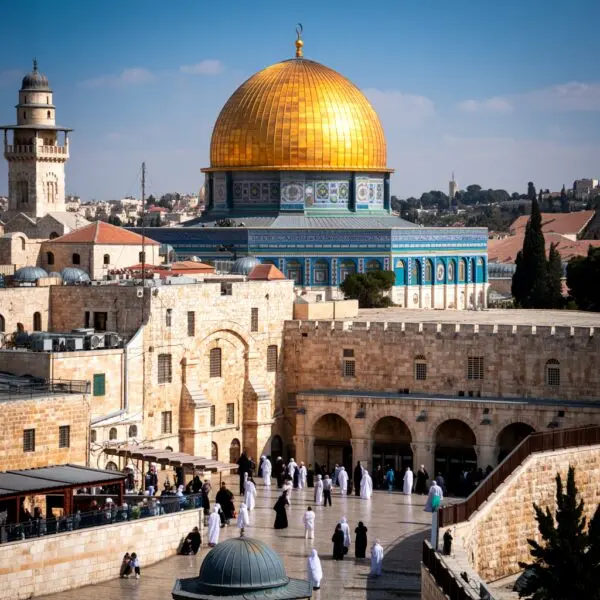
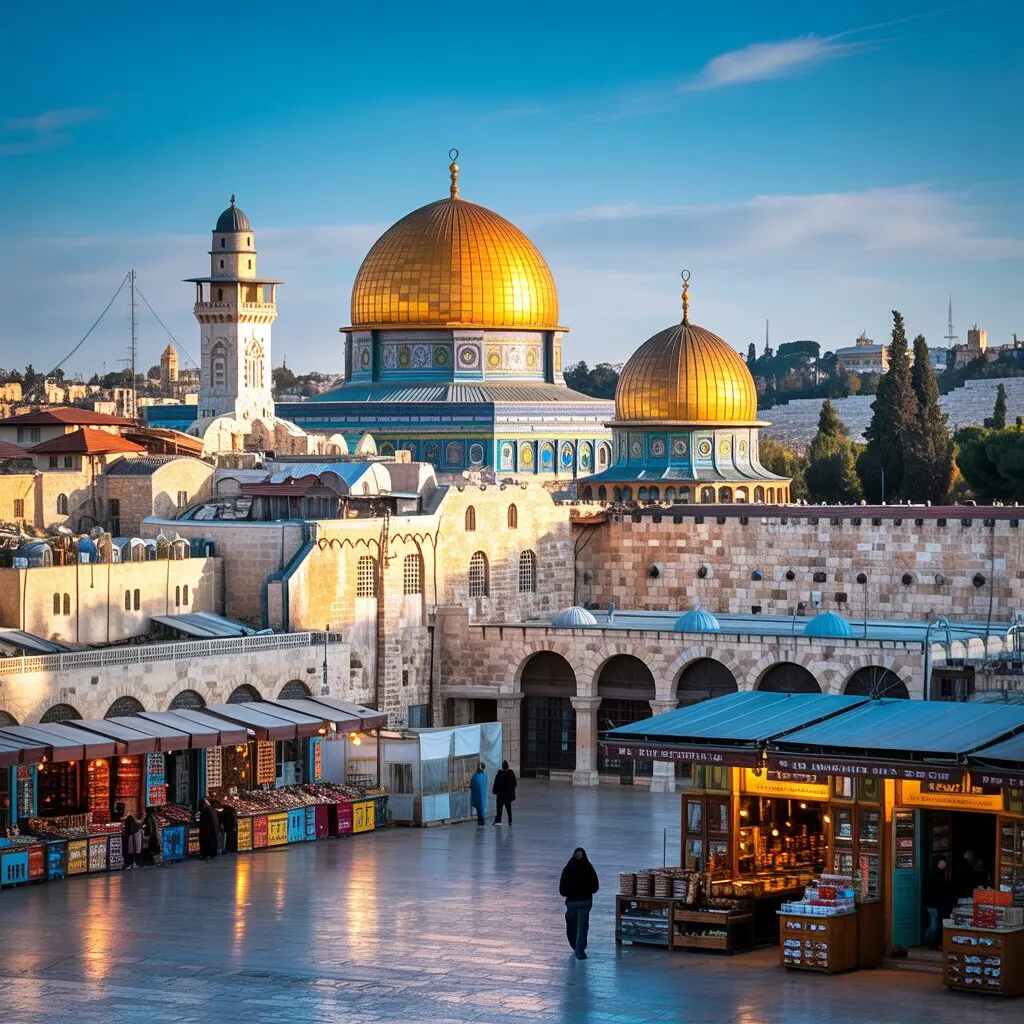
Jerusalem is one of humanity’s most sacred cities, home to sites sacred to Judaism, Christianity, and Islam. The Old City – a UNESCO World Heritage Site – contains the Western Wall, the Church of the Holy Sepulchre, and the Dome of the Rock within a remarkably compact area. The Jewish Quarter, Muslim Quarter, Christian Quarter, and Armenian Quarter each offer distinct atmospheres and experiences.
Beyond the Old City, visit Yad Vashem (Israel’s Holocaust memorial and museum), the Israel Museum (home to the Dead Sea Scrolls), Mahane Yehuda market, and the vibrant neighborhoods of Nachlaot and German Colony.
Tel Aviv – The Mediterranean Hub
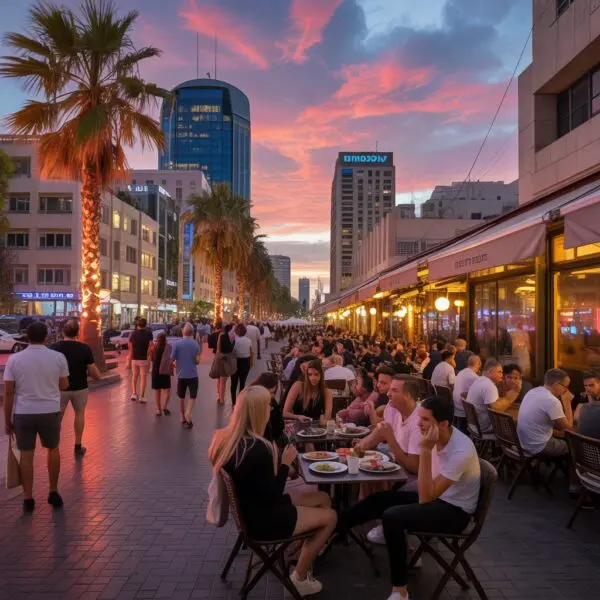
Tel Aviv is Israel’s cosmopolitan heart – a city that never sleeps, famous for its beaches, world-class restaurants, nightlife, and the UNESCO-listed White City of Bauhaus architecture. The beachfront promenade (tayelet) stretches for kilometers. Neve Tzedek is a charming historic neighborhood. Rothschild Boulevard is lined with cafes and tech startups.
The Dead Sea
The Dead Sea is the lowest point on Earth (-430 meters below sea level) and one of Israel’s most iconic experiences. Float effortlessly in its hyper-saline waters, slather on mineral-rich mud, and watch the sun rise over the Jordanian mountains. Masada fortress, perched above the Dead Sea, offers breathtaking history and views.
Galilee and the North
Northern Israel offers beautiful landscapes including the Sea of Galilee (Lake Tiberias), the ancient city of Acre (Akko), the lush valleys of the Galilee, and the hiking trails of Mount Carmel and the Golan Heights.
Negev Desert
The Negev covers more than half of Israel’s territory and offers dramatic landscapes including the Ramon Crater (Makhtesh Ramon), ancient Nabataean cities, and Bedouin culture.
Best Time to Visit Israel in 2026
Israel has a Mediterranean climate with distinct seasons:
- Spring (March-May): Ideal – mild temperatures, wildflowers, fewer crowds
- Summer (June-September): Hot and dry, but great for beaches; busiest tourist season
- Autumn (October-November): Pleasant temperatures, post-holiday quiet
- Winter (December-February): Cool in Jerusalem (occasional snow), mild in Tel Aviv
Note: Jewish holidays significantly affect opening hours, transport, and crowds. Research the 2026 Jewish holiday calendar before booking.
Getting Around Israel
Israel is a small country (about the size of New Jersey) and well-connected:
- Trains: Israel Railways connects Tel Aviv, Jerusalem, Haifa, and Be’er Sheva
- Buses: Egged and other companies provide extensive bus networks
- Rental cars: Excellent for exploring the Galilee, Negev, and Dead Sea area
- Taxis/Rideshare: Gett (Israel’s Uber equivalent) operates in major cities
Israel Travel Tips 2026
- Currency: New Israeli Shekel (NIS/ILS). Credit cards widely accepted.
- Language: Hebrew and Arabic are official. English widely spoken.
- Plugs: European-style (Type H is uniquely Israeli – bring an adapter)
- Shabbat: Friday sundown to Saturday nightfall – most businesses close, limited transport
- Dress codes: Cover shoulders and knees at religious sites
- Security: Follow all security instructions promptly
Israel ETA – Before You Book
Don’t forget: before booking your trip, confirm you are eligible for the Israel ETA-IL and review the eligible countries list. Apply as soon as your travel plans are confirmed.
Frequently Asked Questions
Is Israel safe for tourists in 2026?
Israel maintains robust security measures and is generally safe for tourists in major cities and tourist sites. Monitor your government’s travel advisories for the most current safety information before and during your trip.
How many days do you need in Israel?
A minimum of 7-10 days allows you to visit Jerusalem, Tel Aviv, the Dead Sea, and the Galilee. Two weeks gives a more relaxed experience and allows for the Negev.
Do you need to speak Hebrew to travel in Israel?
No. English is widely spoken throughout Israel, especially in tourist areas, hotels, and restaurants. Most signs in tourist areas include English translations.